
Contents
Introduction to Pu’er Tea in Jingmai Tea Mountain
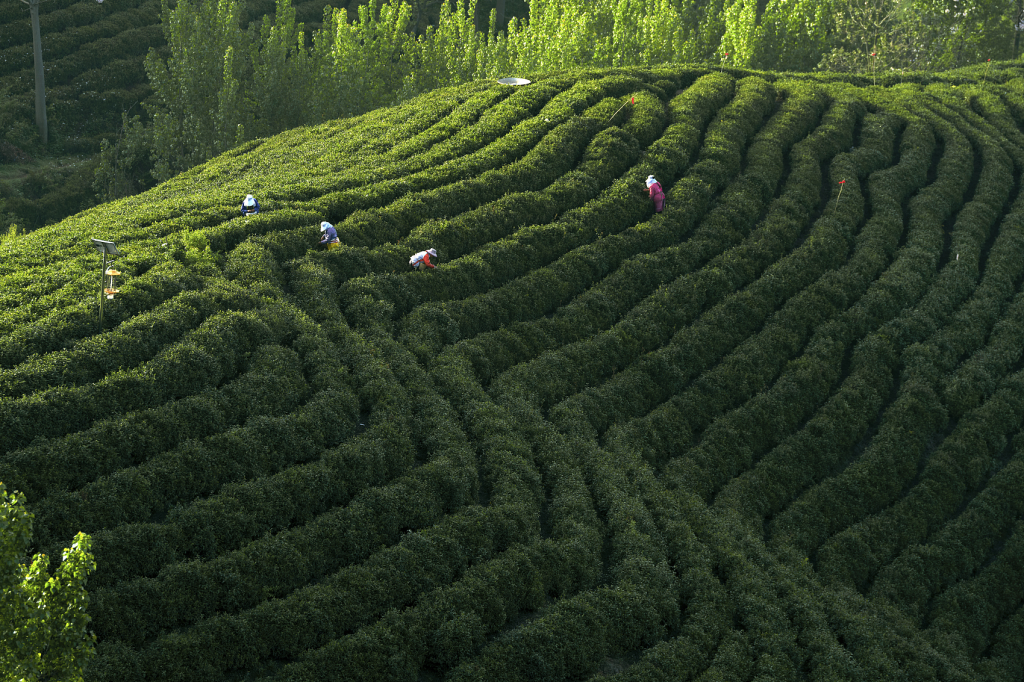
Jingmai Tea Mountain, the southwestern border of China’s Yunnan Province, neighboring Menghai County in Xishuangbanna to the east. Jingmai Tea Mountain is the center of the world’s tea tree origin and the birthplace of Pu’er tea culture.
As the world’s first tea culture-themed heritage project, Jingmai Tea Mountain’s 1,000,000-acre ancient tea plantation is the best-preserved, oldest, and largest cultivated ancient tea plantation in the world, with a history of more than 1,800 years, and is known as the “Museum of Tea Tree Nature”.
The aroma of Pu’er tea from Jingmai Tea Mountain is prominent and strong. It has a strong mountain and wild flavor and is one of the most obvious ancient teas with mountain and wild flavor among the old tree teas, and it also has a special, strong, and long-lasting floral aroma. Orchid fragrance is unique to Pu’er tea in Jingmai, and many tea lovers have come to here just for tasting the natural fragrance of the tea.
Local Ethnic Minorities
There are two administrative villages in Jingmai Tea Mountain, namely Jingmai Village and Mangjing Village. They are mainly composed of five ethnic minorities, including Dai, Brown, Hani, Wa, and Lahu.
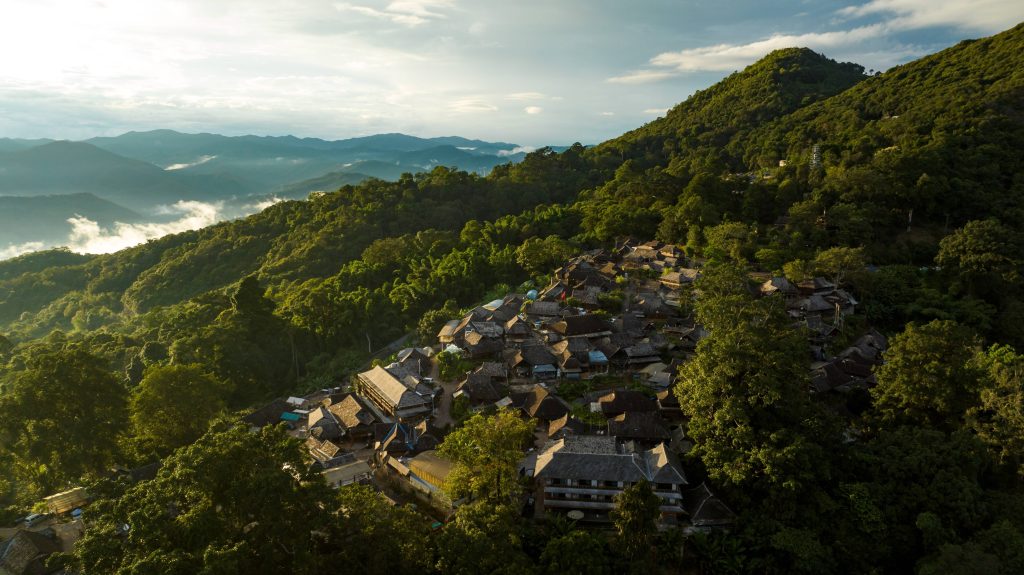
For thousands of years, the various ethnic groups living here have been living with tea, and the Jingmai Tea Mountain Forest Cultural Heritage Area contains the most concentrated area of ancient tea plantations and villages in Jingmai Tea Mountain. This heritage area is mainly inhabited by the Brown and Dai ethnic groups, which still preserve their language, customs, festivals, rituals, and other ethnic cultural traditions.
Local festivals throughout the year
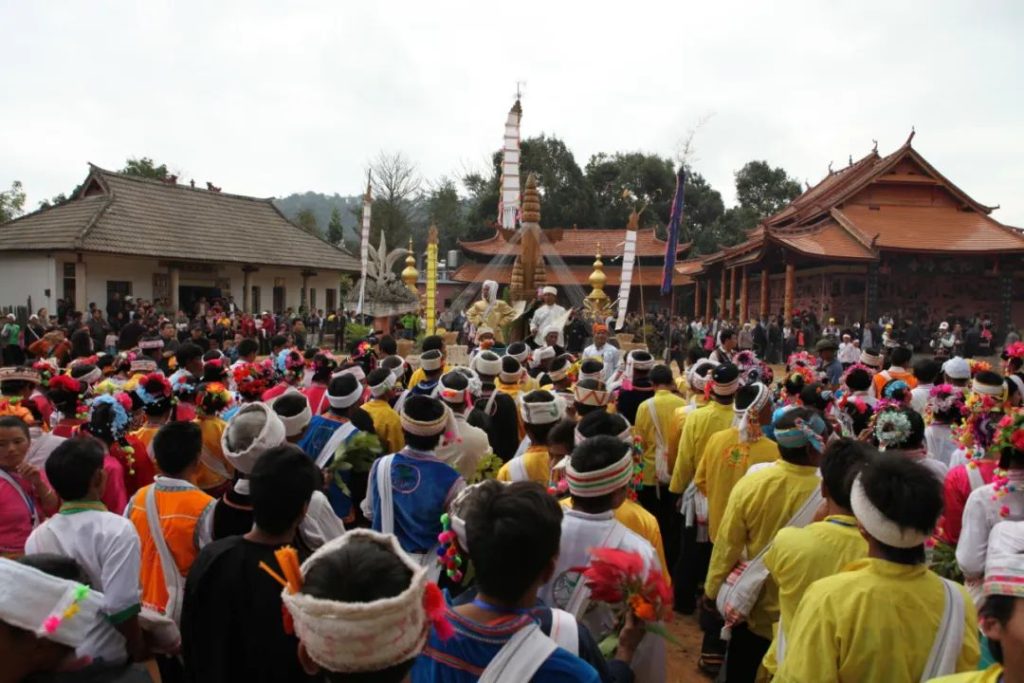
Colorful ethnic cultures also add a strong festive atmosphere to Jingmai Tea Mountain. For the Brown people, the biggest festival is the annual Tea Ancestor Festival, which is the biggest festival of the Brown people in Jingmai Tea Mountain, held in the middle of June of the Dai calendar every year, usually for three days. Tea Ancestor Festival big festival, the whole Jingmai Tea Mountain Brown people sacrifice tea ancestor, the village men and women, young and old, dressed in festive attire, to the ancient tea mountain to worship the spirit of tea.
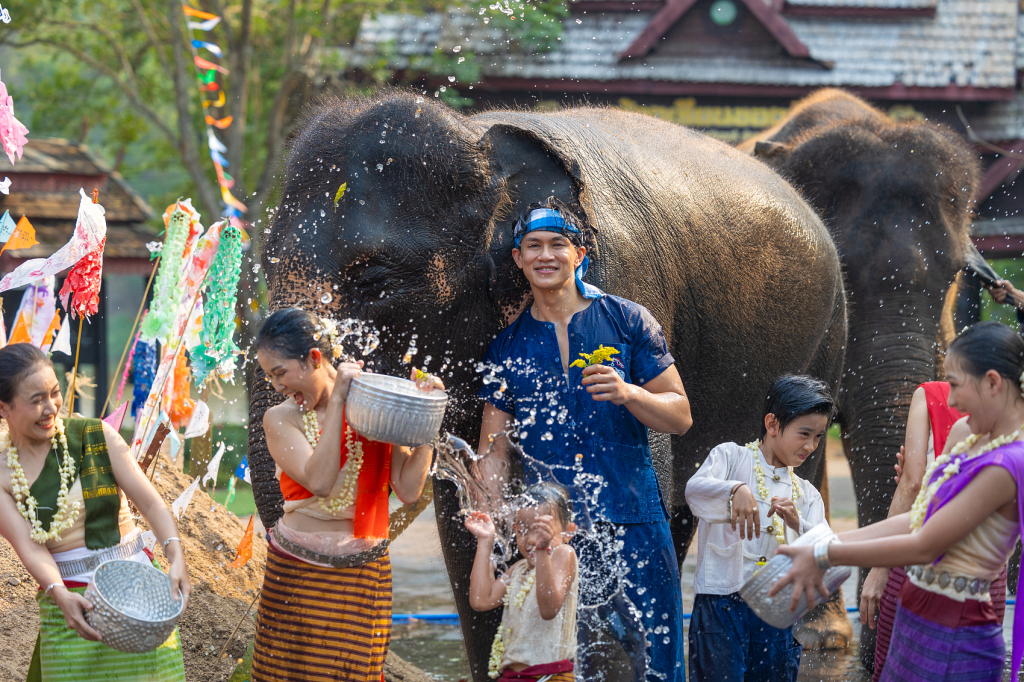
The Water Splashing Festival is the New Year of the Dai people. It is held in the middle of April on the Dai calendar. The traditional Water Festival lasts for three days. Every year the Dai Water Splashing Festival will be held around the colorful activities, a set of food, beautiful scenery of ethnic characteristics of the festival. People use pure water to splash each other and bless each other, praying for peace and happiness and eliminating disasters.
Local Food
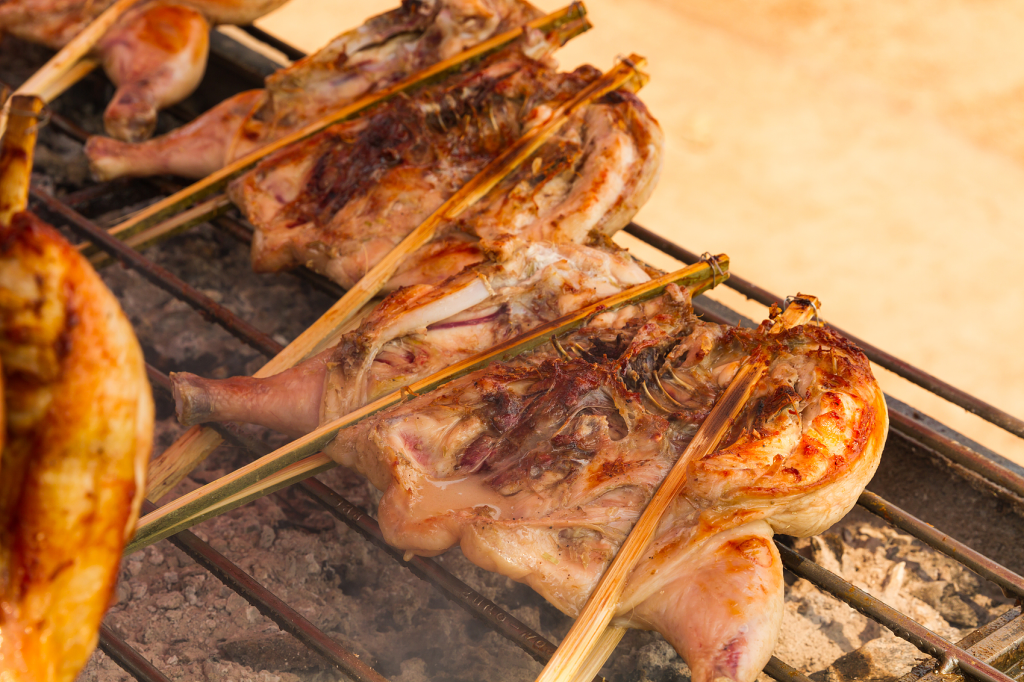
Lahu Roasted Chicken is a specialty dish of the Lahu people. It is simple to make, using mountain chicken, ginger, garlic, and chili pepper as raw materials, holding the marinated chicken meat with bamboo slice, and putting it on the fire to bake slowly, and the fresh aroma and spiciness is its main flavor.
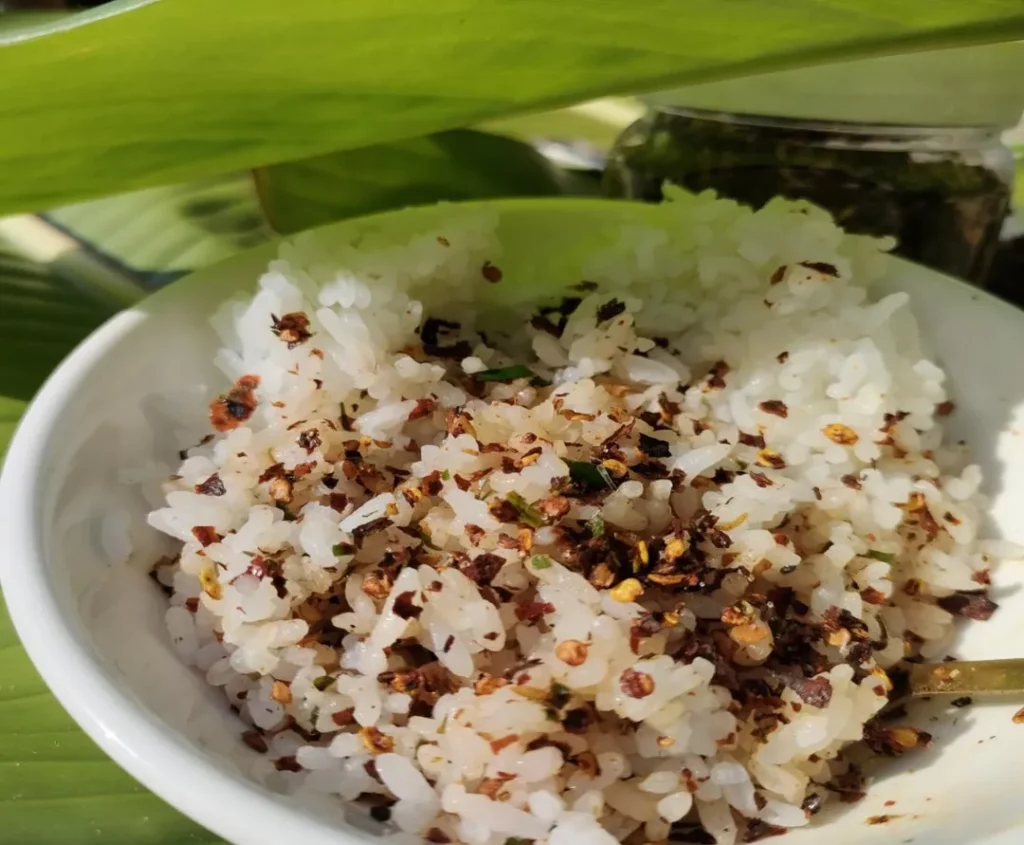
Many Brown people like to eat chili peppers, and when they go to tea gardens or fields to carry out agricultural production, they often bring a packet of white rice and a packet of pounded chili peppers as their lunch in order not to delay production. Spicy rice is the field lunch of many Brown people during the busy farming season. However, the chili they use to mix the rice is not just any chili, but pounded chili, which is unique to the Brown people.
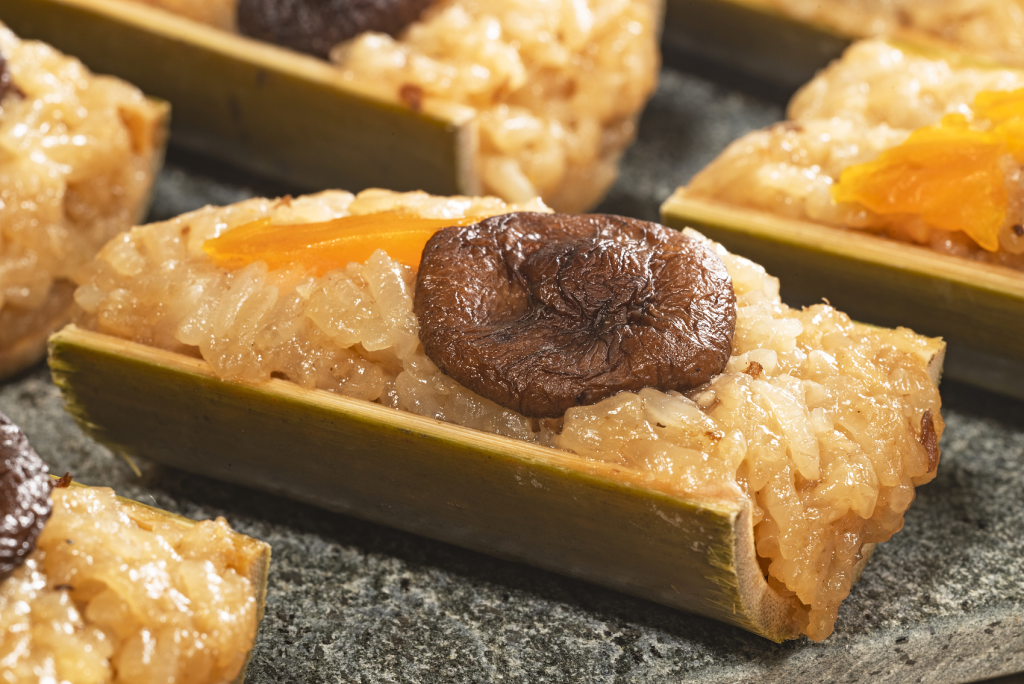
Bamboo rice is a specialty made in the traditional way. Glutinous rice is steamed in a bamboo tube with other ingredients, and the natural plant flavor of the steamed rice is refreshing and appetizing. The taste is soft, sticky, salty.
Local Scenery
Sea of Clouds
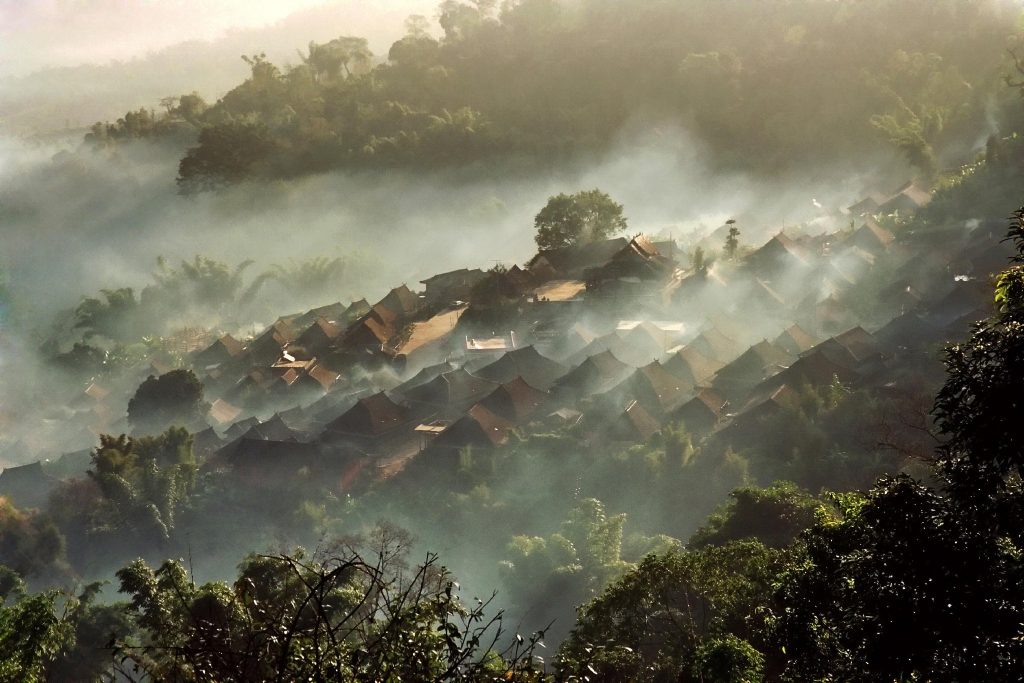
The best season for viewing the sea of clouds on Mount Jingmai is during the winter and early spring every year. At this time of the year, Mt. Jingmai is wrapped in dreamlike clouds. If you want to see Yunnan’s unrivaled sea of clouds, go to Pu’er Jingmai Tea Mountain, Jingmai Tea Mountain, every family can push open the window to enjoy the unparalleled beauty!
Wengji Brown village
In Mangjing Village on Jingmai Tea Mountain, there is a Wengji Brown village. This ancient village of Wengji is more than 1,000 years old, and all the buildings here have the traditional style of the Brown people. The Browns were one of the first ethnic groups to grow tea, and where the Browns have lived, you will always see large areas of tea land. In the villages, you can see a lot of big trees in the sky, and you can also see the thousand-year-old tea trees.
Nuo Gan Ancient Village
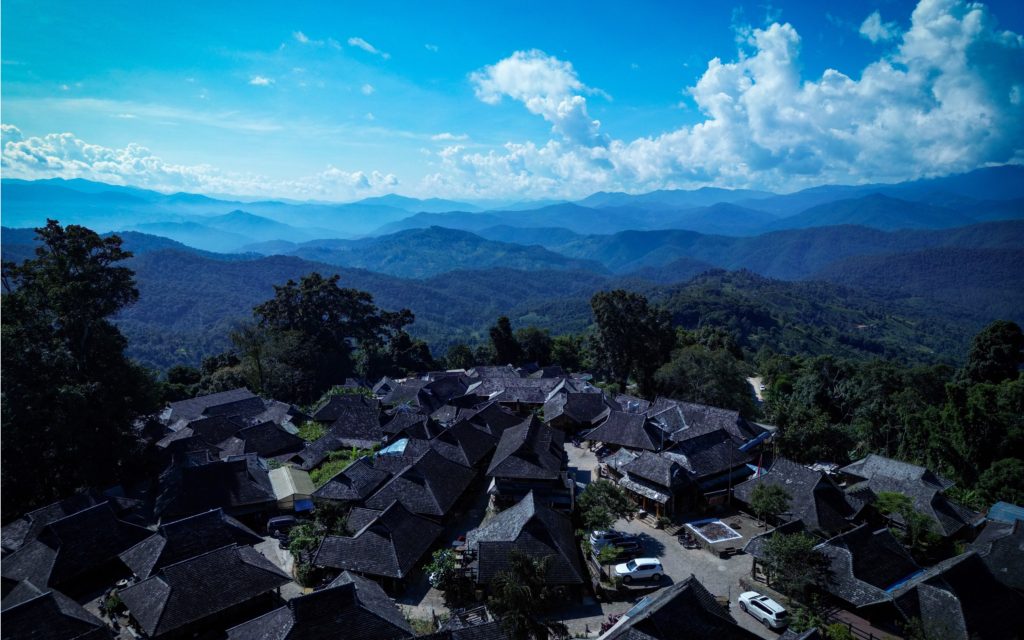
Nuogan, in Dai language, means “the place where deer drink water”. It is an ancient Dai village hidden in a quiet and dense forest. Here, traditional Dai buildings are clustered with layers of roofs in the dense forest, full of primitive and simple atmosphere. There is a viewing platform with a roof at the highest part of the village, which has a wide view and can capture a panoramic view of the village.

Chinese learning course in Jingmai Tea Mountain
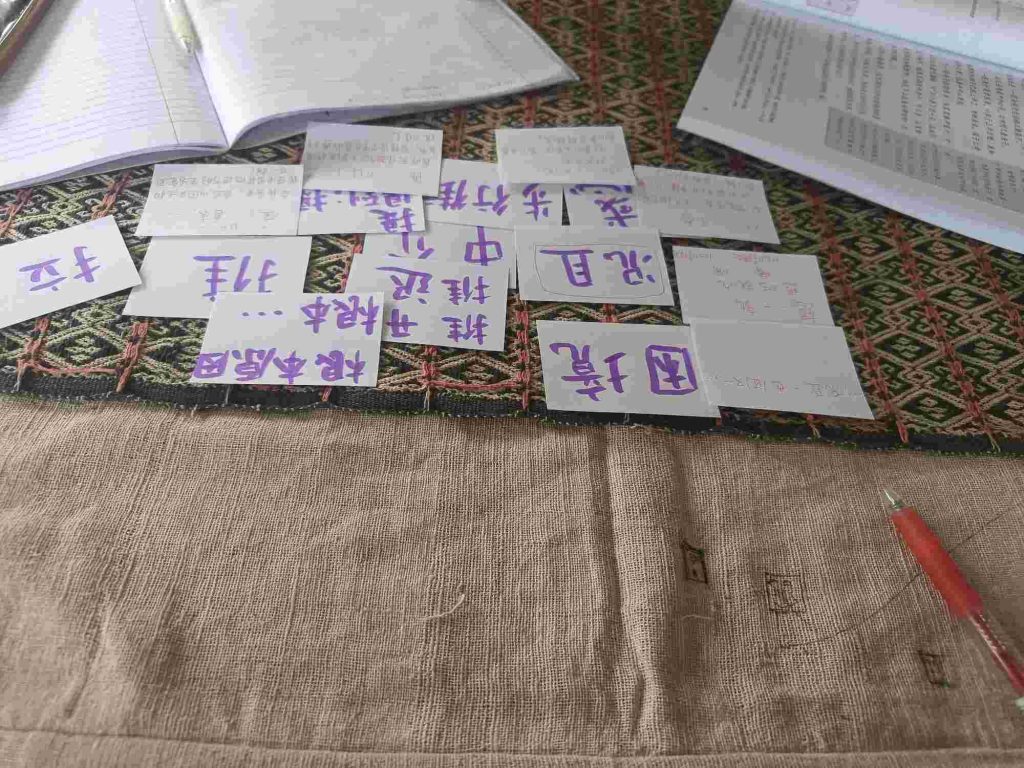
Keats School has conducted the One-on-One Chinese language program including unique local accommodation with single bathroom in Jingmai Tea Mountain, if you would like to learn Chinese in China ,especially learn Chinese in Yunnan and prefer to have an intensive all-Chinese learning environment, Jingmai Tea Mountain learning course is the best intensive Chinese language program for you.
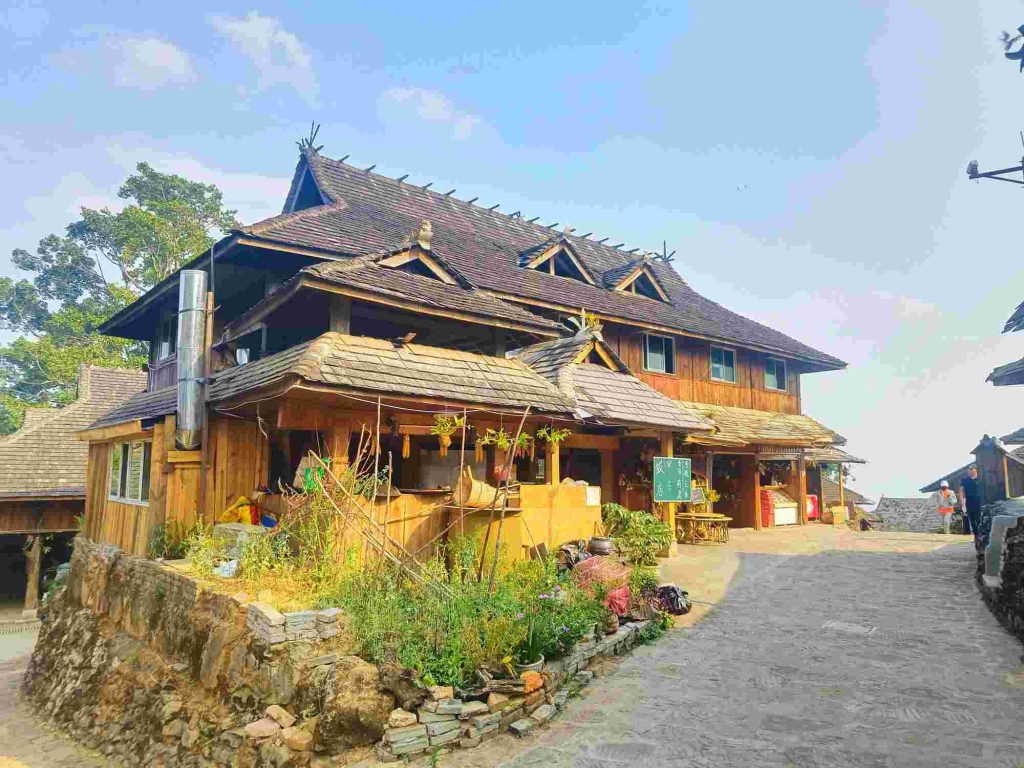
There are courses of 4 hours per day (20 hours/week) or 6 hours per day (30 hours/week) to choose from, and your teacher will make the learning plan and prepare your lessons according to your own demand. Besides, your teacher will accompany you to do sightseeing every day after class, it will be the fastest way to learn mandarin and the most remarkable experience of exploring the local culture.
Jingmai Mountain is located in the southwestern of Kunming, and it belongs to Pu’er City, Lancang County. Lancang has an airport, Pu’er has a high-speed railway station.You could choose to take a flight from Kunming to Lancang River Airport or take the high-speed rail from Kunming to Pu’er railway station, no matter which is more suitable for you, we will pick you up at the airport or high-speed railway station for free to Keats campus in Jinmai Moutain. You don’t have to worry about anything, all you have to do is to enjoy your learning trip and have a wonderful time with us!