
help bg

Blogue do Keats

O blogue Keats oferece excelentes informações sobre a aprendizagem da língua chinesa, a cultura chinesa, o chinês mandarim e informações sobre a China.
Go Back

Vestuário e adornos

Vestuário e adornos

Ao longo da sua longa história, a China produziu uma gama espetacularmente diversificada e requintada de vestuário e acessórios, ocupando um lugar especial no panteão da cultura da moda mundial. Aprender o vestuário tradicional chinês é uma forma de mergulhar na cultura chinesa.

Vestuário

O toucado chinês é constituído principalmente por chapéus ou bonés, brincos e ganchos para o cabelo, geralmente usados pelas mulheres.

Os chapéus usados pelos Han tendem a ser simples e práticos, usados para proteger o utilizador do frio, do sol ou da chuva. No entanto, para alguns grupos étnicos minoritários, os chapéus são usados mais por razões decorativas do que funcionais. Para alguns grupos étnicos minoritários, os chapéus tornaram-se mesmo sinónimo da sua cultura. Nalgumas partes da China, as pessoas estão habituadas a usar lenços em vez de chapéus. Os brincos são também um acessório comum para as mulheres, raramente usados pelos homens. Os brincos usados pelas mulheres Han são geralmente de design simples, enquanto os brincos tradicionais usados pelas mulheres dos grupos étnicos minoritários têm todas as formas e cores. Yunnan tem 36 povos étnicos e é possível conhecer diferentes tradições étnicas quando se aprende chinês em Yunnan.

Os ganchos de cabelo são utilizados principalmente para prender o cabelo. São geralmente feitos de metal, jade, etc.

Sapatos

Na China, existem vários tipos de sapatos e os materiais utilizados para os fabricar também variam muito, incluindo couro, tecido, plástico, palha e cânhamo. Os materiais utilizados têm muito a ver com os costumes étnicos e os climas locais. Por exemplo, as botas de couro e as botas de feltro são muito comuns nas regiões mais frias do noroeste e nordeste da China. Os sapatos tradicionais de pano feitos à mão são confortáveis e alguns são muito bem trabalhados, com padrões intrincados cosidos no exterior, e podem ser considerados artefactos requintados.

Sabia que?

Os trajes tradicionais do povo Han na China (usados principalmente pelo povo Han desde os tempos antigos até ao início da dinastia Qing) são agora coletivamente designados por hanfu (que significa “vestuário dos Han”). As suas principais características são a gola cruzada em forma de Y, a lapela direita (a parte esquerda da gola passa por cima da direita), a faixa, etc. Existem vários trajes tradicionais na cultura chinesa, e poderá aprender mais se frequentar este curso imersivo de mandarim.

Brincos
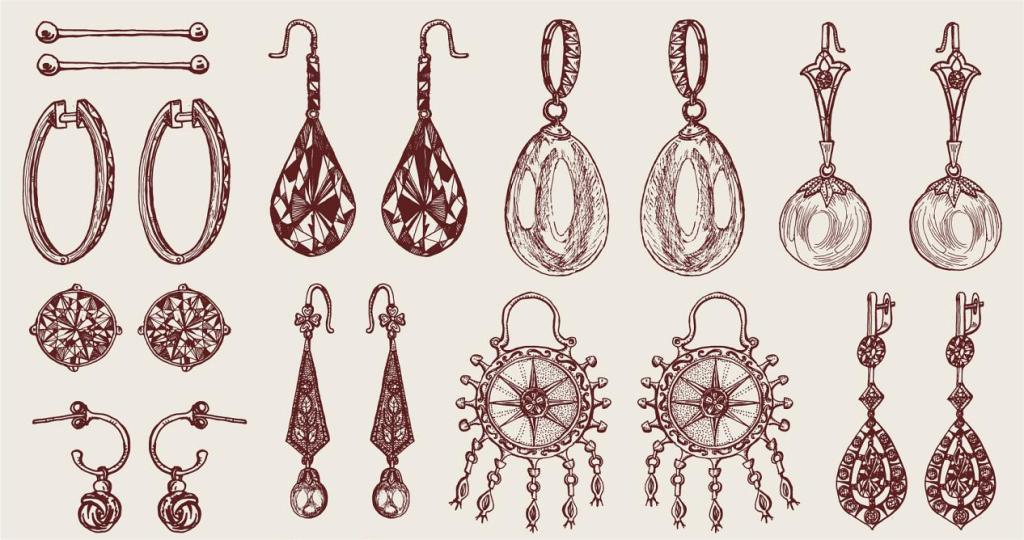
Os brincos são um acessório comum e as pessoas usam-nos de vez em quando. No entanto, entre alguns grupos étnicos minoritários da China, existem costumes diferentes no que respeita ao uso de brincos. O povo Yao, por exemplo, não tira os brincos depois de os colocar.

Tamancos

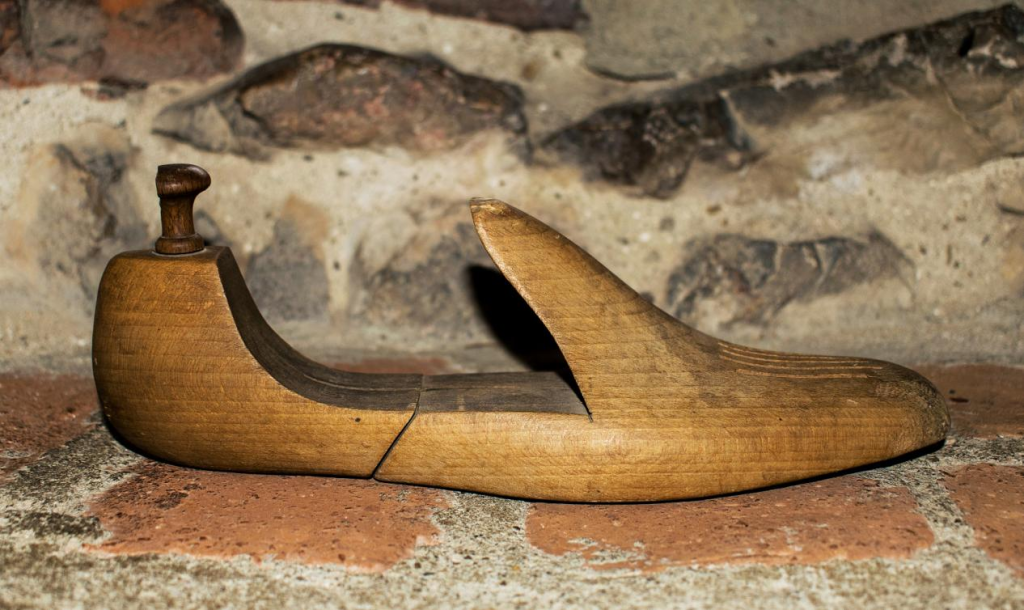
Na China antiga, as pessoas estavam habituadas a usar tamancos, ou seja, sapatos de madeira. Diz-se que os tamancos de Confúcio tinham o comprimento de um chi e quatro cun (cerca de um pé e cinco polegadas). Naturalmente, isto é medido de acordo com a unidade de comprimento da China antiga (o chi antigo é um pouco mais curto do que o chi atual).
Related Articles

Which Chinese Language Program
is right for you?

PROGRAMS

Rients's Story at Keats Kunming, My Second Hometown

OVER 7300+ STUDENTS HAVE STUDIED AT KEATS

Jean

Jean | USA

Intensive One-on-One Chinese Classes

I can’t tell you how much I liked it. The thing I liked about the teachers and the teaching method is that there is so much flexibility. The other thing I liked about the teaching is the combination of classic textbook learning and going outside. I loved it! I like getting to know other students. Everybody shared the same goal and that’s making their Chinese better. Kunming is a big city, but it is very safe to live here. Another thing I liked about Keats is the idea that people here help you. I can’t recommend it enough. I think it was a valuable experience. Looking forward to coming back!

Aliza

Aliza | USA

Intensive One-on-One Chinese Classes

I found Keats School and I am so glad that I did. When you learn Chinese in China at Keats, you are fully being taken care of. My teacher is really great and we become lovely friends.

David

David | Australia

Intensive One-on-One Chinese Classes

It has been notable because I have met a lot of people who I met first time last year like me to come back to Keats this year. The teaching has been fantastic. The teachers carefully prepare each lesson. I think this one-on-one approach is really a great way to rapidly increase your level of Chinese and increase your confidence and fluency with the language.

杜文宇

杜文宇 | Netherlands

Intensive One-on-One Chinese Classes

So during my first week at Keats, I didn’t dare to speak any Chinese words. I found out that my Chinese level quickly improved since then. Although I have many options to study in China, for example, some other schools have homestay, I found I could immerse myself and fully focus on learning Chinese by staying at Keats.

Jade

Jade | UK & Mauritius

Small Group Chinese Class

I think the Chinese learning environment here is great. The teaching methods are also very interactive and fun. What I particularly enjoy here is the fact that my teacher does not stick to the textbook. We spend a lot of time discussing general topics, such as Chinese culture, world news, typical expressions used by local people. We also discuss social and economic topics.

Hitanshu

Hitanshu | UK

Intensive One-on-One Chinese Classes

It doesn’t matter what level of Chinese you have, or even you can start from the zero level. Your teacher will prepare the lessons according to your requirements. The advantage of living in the school is that you will have your tutoring, you will have your private accommodation with your own bathroom and all the meals provided. I highly recommend everybody to actually take the whole package because you get to meet other students.

星河明

星河明 | Japan

Intensive One-on-One Chinese Classes

I took the one-on-one Intensive Chinese class for 6 hours a day. The classes are very interesting. The teachers are caring and the content the teacher teaches me is suitable for my level. It is an easy way to learn Mandarin. I have a lot of time practicing Chinese in class. The food is great here. I have improved my Chinese through this program at Keats.

Shihori

Shihori | Japan

Intensive One-on-One Chinese Classes

In the one-to-one intensive Chinese course, you can choose the learning method you like. The small group Chinese class in China at Keats follows the HSK textbook. Teachers often collect feedback from the students, teachers listen to our requirements and opinions. I felt that my oral level is better than before .

Please use vertical scrolling on your mobile device.