Vestimenta y adornos
Ropa y adornos
A lo largo de su dilatada historia, China ha producido una gama espectacularmente diversa y exquisita de prendas de vestir y accesorios, ocupando un lugar especial en el panteón de la cultura mundial de la moda. Aprendiendo la indumentaria tradicional china, podrá sumergirse en la cultura china.
Ropa
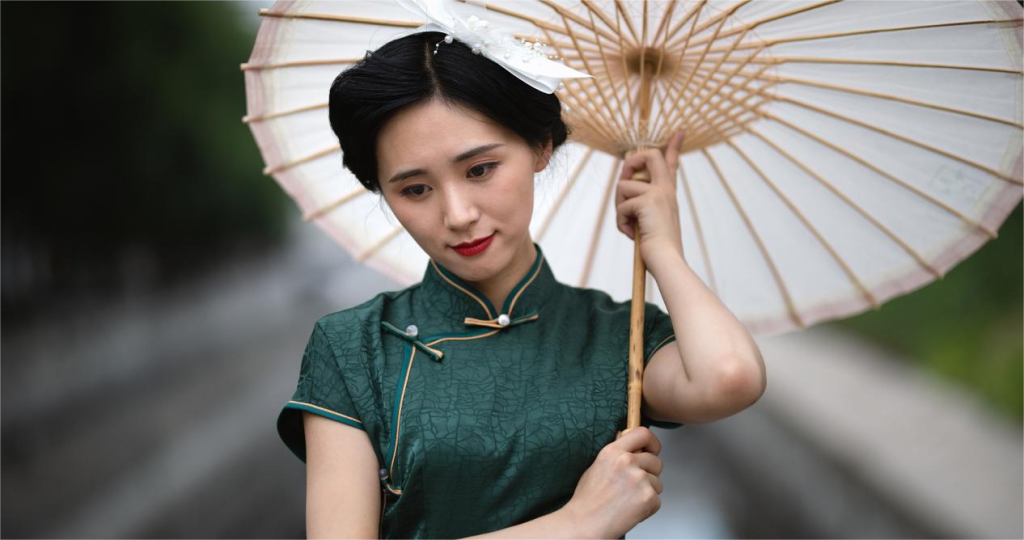

La sombrerería china consiste principalmente en sombreros o gorros, y pendientes y horquillas que suelen llevar las mujeres.
Los sombreros de los Han suelen ser sencillos y prácticos, y se llevan para protegerse del frío, el sol o la lluvia. Sin embargo, para algunos grupos étnicos minoritarios, los sombreros se llevan más por motivos decorativos que funcionales. En algunos grupos étnicos minoritarios, el sombrero se ha convertido incluso en sinónimo de su cultura. En algunas partes de China, la gente acostumbra a llevar pañuelos en vez de sombreros. Los pendientes también son un accesorio común para las mujeres, que rara vez llevan los hombres. Los pendientes que llevan las mujeres han suelen ser de diseño sencillo, mientras que los pendientes tradicionales de las mujeres de grupos étnicos minoritarios son de todas las formas y colores. Yunnan tiene 36 etnias étnicas, y podrá experimentar diferentes tradiciones étnicas cuando aprenda chino en Yunnan.
Las horquillas se utilizan principalmente para sujetar el pelo. Suelen ser de metal, jade, etc.
Zapatos


En China hay varios tipos de zapatos, y los materiales utilizados para fabricarlos también varían mucho: cuero, tela, plástico, paja y cáñamo. Los materiales utilizados tienen mucho que ver con las costumbres étnicas y los climas locales. Por ejemplo, las botas de cuero y fieltro son muy comunes en las regiones más frías del noroeste y noreste de China. Los zapatos tradicionales de tela hechos a mano son cómodos, y algunos están bellamente elaborados, con intrincados dibujos cosidos en el exterior, y pueden considerarse artefactos exquisitos.
¿Sabías que…?
Los trajes tradicionales del pueblo Han en China (principalmente llevados por los Han desde la antigüedad hasta el inicio de la dinastía Qing) se denominan ahora colectivamente hanfu (que significa «ropa de los Han»). Sus principales características son el cuello cruzado en forma de Y, la solapa derecha (la parte izquierda del cuello que cruza sobre la derecha), el fajín, etc. Existen varios trajes tradicionales en la cultura china, y podrá aprender más si asiste a este curso intensivo de mandarín.
Pendientes
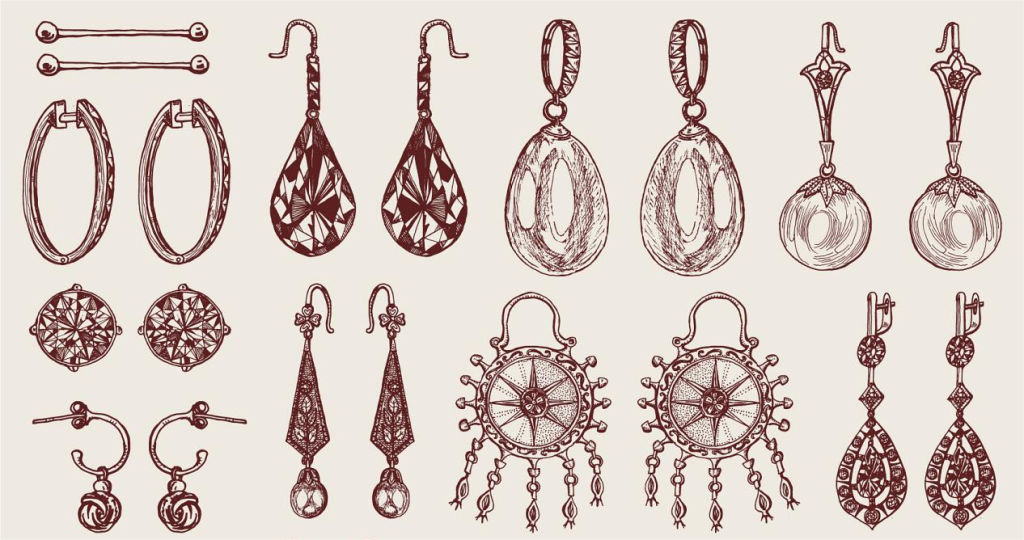
Los pendientes son un accesorio común y la gente los lleva de vez en cuando. Sin embargo, algunos grupos étnicos minoritarios de China tienen costumbres distintas en cuanto al uso de pendientes. Los yao, por ejemplo, no se quitan los pendientes una vez puestos.
Zuecos
En la antigua China, la gente solía llevar zuecos, es decir, zapatos de madera. Se dice que los zuecos de Confucio medían un chi y cuatro cun (aproximadamente un pie y cinco pulgadas). Por supuesto, esto se mide según la unidad de longitud de la antigua China (el chi antiguo es un poco más corto que el chi contemporáneo).


Related Articles

El romance de la cámara occidental Escrito originalmente por Wang Shifu, dinastía Yuan (1271-1368)


Un filósofo legendario Lǎo Zǐ (alrededor de 580-470 a. C.)


Una guía completa de la montaña del té Jingmai


¿CUÁL ES EL PROGRAMA MÁS ADECUADO
PARA TI?
OVER 7000+ STUDENTS
han estudiado en Keats
It has been notable because I have met a lot of people who I met first time last year like me to come back to Keats this year. The teaching has been fantastic. The teachers carefully prepare each lesson. I think this one-on-one approach is really a great way to rapidly increase your level of Chinese and increase your confidence and fluency with the language.
Kunming is a great place to learn Chinese in China because not many Chinese on the street speak English. Keats has been a great school for me and a lot of other foreigners who studied in China recommended it to me. I think they are all right. The study method here is really structured. They make learning Chinese really easy. There are also a lot of cultural and natural places to visit.
I decided to learn Chinese in Kunming because I like smaller cities and I like the climate here. We had four hours a day study here and my dear teacher taught me very much and never lost her patience with me. It was a really wonderful experience to be here and I recommend Keats school and the teachers here to everyone who likes to learn Chinese in China.
I took the one-on-one Intensive Chinese class for 6 hours a day. The classes are very interesting. The teachers are caring and the content the teacher teaches me is suitable for my level. It is an easy way to learn Mandarin. I have a lot of time practicing Chinese in class. The food is great here. I have improved my Chinese through this program at Keats.
Kunming is a fantastic city. The weather here is great. The school is excellent. The instructors are very helpful, very friendly. I strongly recommend that anybody who is looking for a Chinese language school in China come here to study. Kunming and Keats school are much better than any other place.
My name is Sarah Fish. I am 81. I knew very little Chinese when I arrived. How was I going to survive 2 weeks of intensive Chinese course? I have to laugh when I think of that now. What a positive experience this has been! I really wish we could be here a little longer. The teachers are extremely encouraging, evaluating first how much someone knows, and then starting from there.
Since last semester, we started studying Chinese at Keats. It was the best choice we can ever make. It is a really good school. The classes are a lot of fun, you learn a lot, but very interactive, so you talk a lot which means it is not just books and writing. Kunming is a really pleasant city to live in, especially if you compare it to other cities in the east. If you like to travel, if you like to study Chinese in a fun way, Keats has the best Chinese language program for you.
This is my second time coming. Last year, I also came for about 12 weeks. This time I came for 13 weeks of a summer program in China. The reason why I particularly want to come to this school was because of the one-on-one classes. I was able to increase my level and learn Chinese more quickly than in group classes. If I have a chance again to come next year, I certainly will.