LEARN CHINESE IN CHINA: WHY KEATS USES FLASHCARDS IN CLASS
Contents


Everyone has a tip for learning Chinese in China and ours is flashcards.
While everyone learns a new language differently, we know that the use of flashcards have been a rewarding way for students to learn Mandarin in China.
At Keats School, we use flashcards in our classes. Our teachers use the latest and professional teaching methods created and tested by the Keats team. We have seen unprecedented results when using our flashcards during one-on-one classes.
Here’s why.
FLASHCARDS ALLOW FOR CONFIDENCE-BASED REPETITION
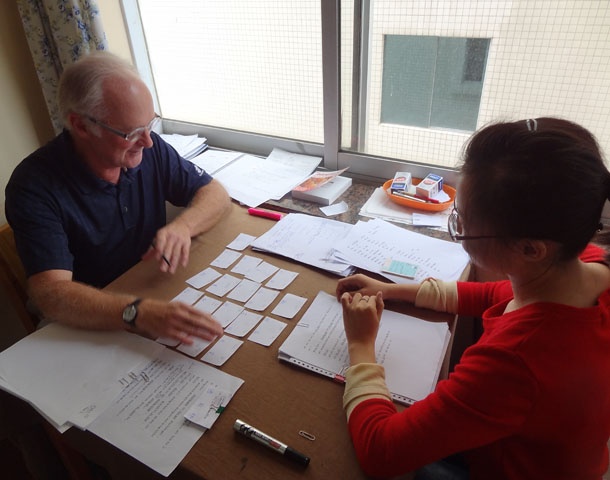

One of the most important reasons we use flashcards at Keats School is because it allows for repetition.
Since flashcards are loose papers, you can add them into piles based on whether you need to study them again or in more depth. This confidence-based repetition is proven to be one of the best ways to improve memory performance.
Study a flashcard over and over, and then study the next one. When you go back to the first card, chances are you will remember what the card says.
FLASHCARDS ENGAGE ACTIVE RECALL

This continues from our first reason we use flashcards for students who learn Chinese in China.
Active recall is the principle of efficient learning. To learn better, you need to actively stimulate memory during the learning process. By repeating flashcards, a switch goes off in your brain, telling you to focus and pay attention to what’s on the flashcard.
This allows you to remember the flashcard and actively use what’s on the flashcard in real life.
This means, when you look at the front of a flashcard with the Mandarin character on it, you’re engaging active recall to figure out what the character is. But simply reading a textbook, you won’t be engaging in the active recall. Therefore it’s easier to forget.
Studies have shown that active recall creates strong neuron connections for memory.
USE OF IMAGES AND WORDS

Like we mentioned, everyone learns differently. With flashcards, we’re able to tailor the card to the best way you learn.
Adding images to our cards can make them a lot more memorable, allowing people to remember the word associated with the image.
A study called The Picture Superiority Effect shows that people remember imagery better than they remember words.
But don’t skip the wording altogether. Our brains are interesting because the mixture of pictures and words works better than just words or just pictures.
While you learn Mandarin in China, flashcards will be used in our Keats classroom. We also encourage all students to create their own flashcards for studying outside of classroom hours.
This will improve your Mandarin language skills even more, and you can study with other students too.
SAYING ANSWERS OUT LOUD
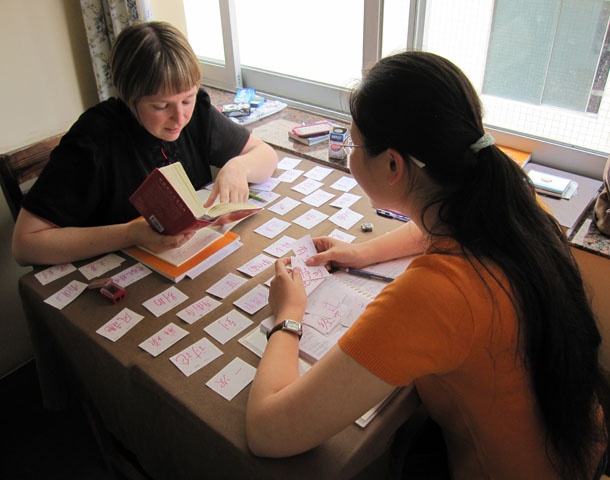
When we use flashcards at Keats to study Chinese in China students, we know that using our voices helps with language learning.
By using flashcards with someone else in the room (teacher and student or student and student), you’re using another way to learn Chinese; verbally.
When we have a student speak the answer on the card, the memory is getting engaged again while also working on pronunciation. A win-win!
LEARN MANDARIN IN CHINA AT KEATS
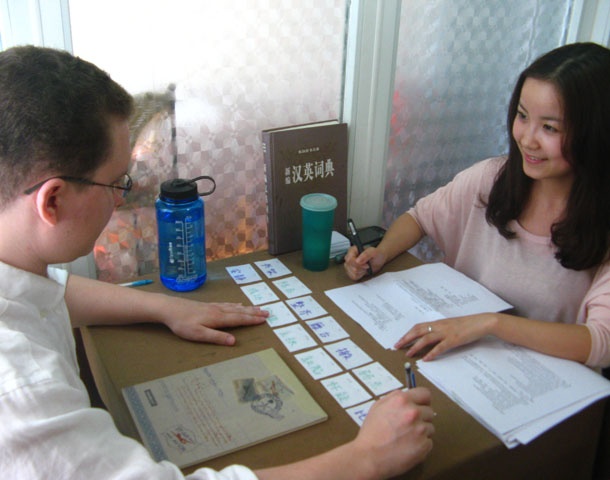
We’ve seen such great success with our teaching methods at Keats. Our students believe that their success in learning the language has to do with Keats teaching.
If you’re interested in applying to Keats and experiencing learning Mandarin through flashcards and other teaching techniques, apply online. If you have any questions, contact us today.
Related Articles


Travel in Yunnan – Everything You Need to Know


Learn Chinese in Beijing


Learn Chinese in Chengdu


Which Chinese Language Program
is right for you?
OVER 7000+ STUDENTS
HAVE STUDIED AT KEATS
Before I came to Keats School, I had no confidence in my Chinese proficiency. I did not have the confidence to speak Mandarin Chinese and chat with Chinese people. However, after 4 months of study at Keats, I become more and more confident in speaking Chinese now. Studying Chinese in China at Keats School has been the best decision I have ever made. There are many games in the class, and my teacher’s teaching methods are also very interesting. My experience at Keats School has changed my view of China and Chinese people.
I think Keats is one of the best language schools I have ever been to. My teacher is such an amazing person. She is so good at teaching. She makes classes fun. I have learned a lot of vocabulary during my time here. I would really recommend coming to learn Mandarin Chinese at Keats School.
I decided to learn Chinese in Kunming because I like smaller cities and I like the climate here. We had four hours a day study here and my dear teacher taught me very much and never lost her patience with me. It was a really wonderful experience to be here and I recommend Keats school and the teachers here to everyone who likes to learn Chinese in China.
I’ve had a really great time here. I’ve studied a lot with my teacher who was fantastic. Keats School tried very hard to match its students with really good teachers that their personality works very well together. I really enjoy studying Chinese at Keats and I will definitely come back.
Kunming is a great place to learn Chinese in China because not many Chinese on the street speak English. Keats has been a great school for me and a lot of other foreigners who studied in China recommended it to me. I think they are all right. The study method here is really structured. They make learning Chinese really easy. There are also a lot of cultural and natural places to visit.
I have been to Keats School to learn Chinese for 4 times now. The reason for coming back to this school is pretty much that the teachers I did work with were very good Chinese teachers. I make it a 5-year plan or even a 10-year plan to come back to this school. All the teachers have methods of looking at what your skills are. They are aware of at what level you are. I think it is worth for everyone.
All teachers are really lovely. The teaching level at Keats is so much higher. I really love the city. It is very comfortable to get around. I fully recommend Keats. It is a great place to study Chinese in China. We are looking forward to coming back again later this year.
All my classmates stay together for one year and we improved so much! The teachers at Keats are all very great. They like to organize a lot of activities to help us learn Chinese. I like Keats! I like Kunming!