Learn Chinese in Beijing
Contents
Every year, over 55,000 international students choose to travel to Beijing, China’s capital city, to pursue their dreams of learning Chinese mandarin or even get a degree relevant to the Chinese language and Chinese culture. Some high school graduates will also choose Beijing to practice their gap year program in China.
What makes Beijing an attractive destination for learning the Chinese language? Is there a better choice out of Beijing city? Let’s have a look at it in today’s post!
Language learning environment


The widely spoken and recognized Mandarin Chinese is a common language formed mainly based on northern Chinese dialects, including Beijing dialect and several other dialects from other northern Chinese provinces.
Beijing is a melting pot of dialects, with Mandarin being the official language spoken by the majority of the population. From casual conversations in the bustling markets to formal presentations in companies, one can immerse themselves in the language at every turn. This constant exposure to the language makes learning more intuitive and natural.
Keats School in Beijing offers Chinese language programs that stand out due to its unique teaching methods and exceptional full service. Keats combines traditional and innovative approaches to language learning, utilizing multimedia resources, interactive lessons, and practical exercises to enhance students’ comprehension and speaking skills. If you plan to learn Chinese in Beijing, Keats is an ideal choice. Additionally, Keats School provides personalized support and guidance, ensuring that each student’s learning needs are met and their progress is closely monitored.
The center of cultural and artistic communication
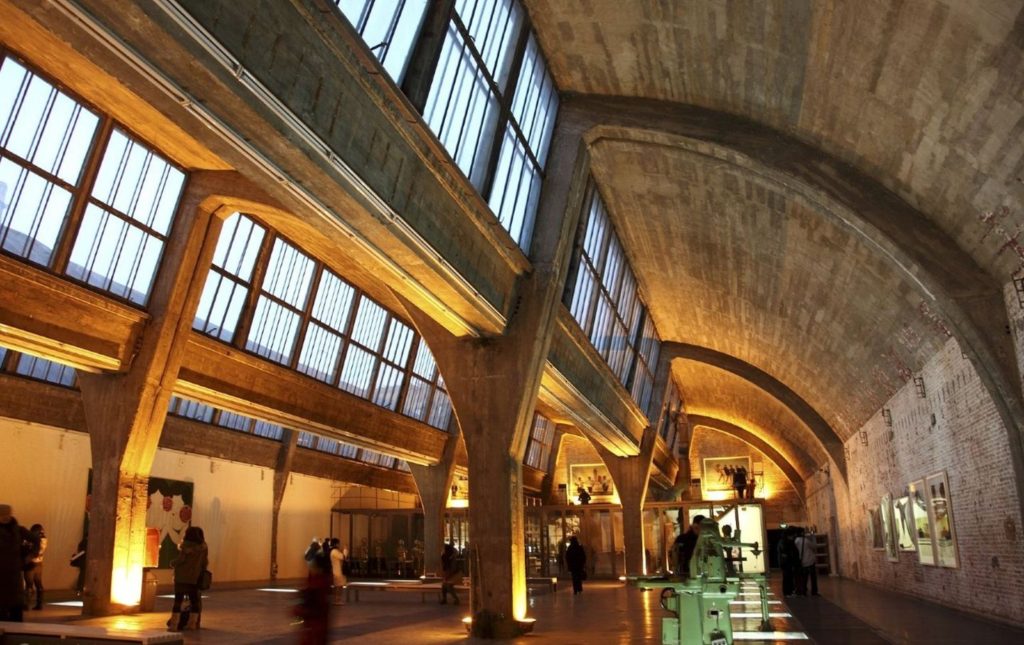

Beijing is China’s political and economic center and the most dynamic and diverse center of cultural and artistic communication in China. There is no doubt that you would have the chance to enjoy a colorful time of cultural activities and events when you’re learning Mandarin in Beijing.
Beijing’s cultural life is rich and colorful, with various types of performances and international exhibitions available. The national quintessence “Peking Opera” has a history of more than 200 years. The gorgeous costumes, beautiful singing voice, and ever-changing facial makeup on the stage are all impressive. The famous Chang’an Grand Theater, Lao She Tea House, and China National Grand Theater have traditional Peking opera performances. Beijing’s nightlife is also very colorful. Houhai, Sanlitun, and Nanluoguxiang bar streets are all good places.
Beijing’s cultural attractions are a great asset for language learners. From the Forbidden City and the Temple of Heaven to modern art galleries and museums, the city offers a window into Chinese history and culture. Visiting these places not only enhances one’s understanding of the language but also makes the learning process more engaging and enjoyable.
Aside from the theatres, there are various museums, exhibitions, galleries, and arts districts such as 798, Fangjia Hutong, Grass Field, and Jili International Art zone. Also, there are different pubs and clubs with various themes.
If there is any other city that can compare to Beijing in cultural entertainment, it must be Shanghai. Learn Chinese in Shanghai is quite a different experience in China as well.
Rich in cultural and historical touring resources


Beijing has more than 3,000 years of history as a city and 850 years of history as a capital. With many splendid imperial capital landscapes and rich cultural heritage, Beijing is a well-known ancient oriental capital. The world’s largest palace, the Purple Forbidden City, is located on the central axis of the capital. With the Summer Palace of the imperial garden, the Great Wall, and the famous Beijing courtyard Prince Gong’s Mansion, the city has more than 7,300 cultural relics and more than 200 tourist attractions.
Today’s Beijing city has blended ancient and modern elements, with narrow Hutongs, old tea houses, trendy bar streets, and bustling commercial districts. The infinite modern elements blend with the authentic Beijing atmosphere of ancient Beijing. After holding the 29th Olympic Games, this historical and cultural city gained even more vitality. What you see and feel is the majestic and heavy vicissitudes of the ancient imperial capital and the fashionable and prosperous, high-speed and convenient modern metropolis.
If you prefer to study in the south of China, Kunming and Chengdu could be ideal destinations because they boast rich and diverse natural touring resources among 34 Chinese provinces. The famous Dali, Lijiang, Shangri-La, Xishuangbanna, Puzhehei, and Yuanyang rice terraces in Yunnan are all breath-taking pretty views to enjoy in different seasons throughout the whole year.
There are more details about traveling in Yunnan.
Transportation Hub
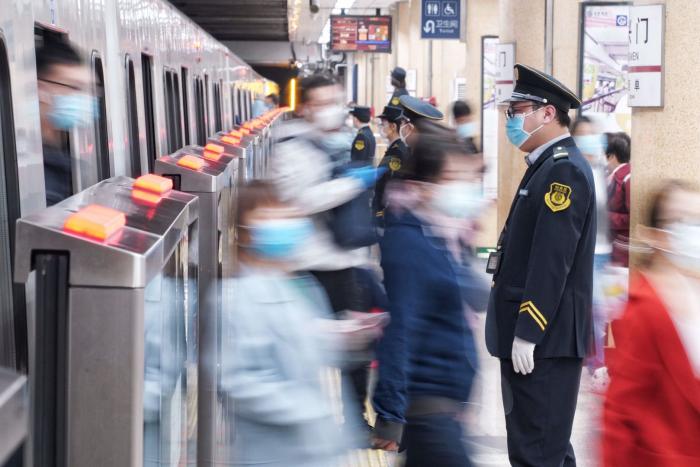

Beijing is the biggest and most important transportation hub in China. Beijing is an important transportation hub in mainland China in aviation, railways, and highways: Beijing Capital International Airport is China’s largest airport; Beijing Railway Hub is the country’s largest hub; many Chinese national highways and expressways radiate from Beijing to different directions. However, in terms of traffic inside the city, the number of motor vehicles has increased significantly due to the increasing population of Beijing, and there are also problems with its road system. The Beijing Municipal Government has implemented a series of motor vehicle restrictions and implemented low-fare policies for buses and subways to alleviate traffic congestion.
Transportation will not be a big problem if you don’t drive in Beijing. Public transportation is convenient enough here.
Check out the 6 TYPES OF MAIN TRANSPORTATION WHEN YOU LIVE IN CHINA
Climate & Commodity price


The Beijing area is located on the east coast of the Asian continent and is located in a warm temperate semi-humid area. The climate is affected by the Mongolian high pressure and belongs to a continental monsoon climate. The annual average temperature of Beijing is about 12 degrees.
Beijing’s air quality has significantly improved in recent years, assuring visitors that air quality is no longer a major concern.
Efforts to control air pollution have taken effect, with Beijing being a major beneficiary. According to reports, air quality in Beijing continued to improve as the city intensified its efforts to prevent and control air pollution. The concentrations of major air pollutants fell in recent years, and the average concentration of PM2.5 hit a record low.
Furthermore, Beijing plans to guarantee quality air by cutting emissions caused by industrial production and vehicles, demonstrating the city’s commitment to improving air quality.
These improvements in air quality make Beijing a more attractive destination for visitors, as they can now enjoy the city’s cultural and historical attractions without worrying about air pollution.
Generally, Beijing city is the most representative and symbolic label of China. Visiting and experiencing its history and culture is good and essential for learning the Chinese language.
Related Articles


Travel in Yunnan – Everything You Need to Know


Learn Chinese in Chengdu
Learn Chinese in Dali


Which Chinese Language Program
is right for you?
OVER 7000+ STUDENTS
HAVE STUDIED AT KEATS
So during my first week at Keats, I didn’t dare to speak any Chinese words. I found out that my Chinese level quickly improved since then. Although I have many options to study in China, for example, some other schools have homestay, I found I could immerse myself and fully focus on learning Chinese by staying at Keats.
I really enjoy studying Chinese in Kunming at Keats. The teachers are great and my classmates are awesome. It is an unforgettable experience for me. I also got the chance to travel to other places in Yunnan. Those places are amazing and you definitely need to visit these places when you study Chinese in China at Keats.
All my classmates stay together for one year and we improved so much! The teachers at Keats are all very great. They like to organize a lot of activities to help us learn Chinese. I like Keats! I like Kunming!
I found Keats School and I am so glad that I did. When you learn Chinese in China at Keats, you are fully being taken care of. My teacher is really great and we become lovely friends.
This is my second time coming. Last year, I also came for about 12 weeks. This time I came for 13 weeks of a summer program in China. The reason why I particularly want to come to this school was because of the one-on-one classes. I was able to increase my level and learn Chinese more quickly than in group classes. If I have a chance again to come next year, I certainly will.
I’ve had an amazing time at Keats. I am amazed at how much I’ve learned over the last 3 weeks and I will be really sad to go. We are already planning on our next trip of coming back because we had such a fantastic time here. They really tailor the Chinese language course to you and your individual needs.
In the one-to-one intensive Chinese course, you can choose the learning method you like. The small group Chinese class in China at Keats follows the HSK textbook. Teachers often collect feedback from the students, teachers listen to our requirements and opinions. I felt that my oral level is better than before .
Kunming is a fantastic city. The weather here is great. The school is excellent. The instructors are very helpful, very friendly. I strongly recommend that anybody who is looking for a Chinese language school in China come here to study. Kunming and Keats school are much better than any other place.