Family in China
Contents
Family in China
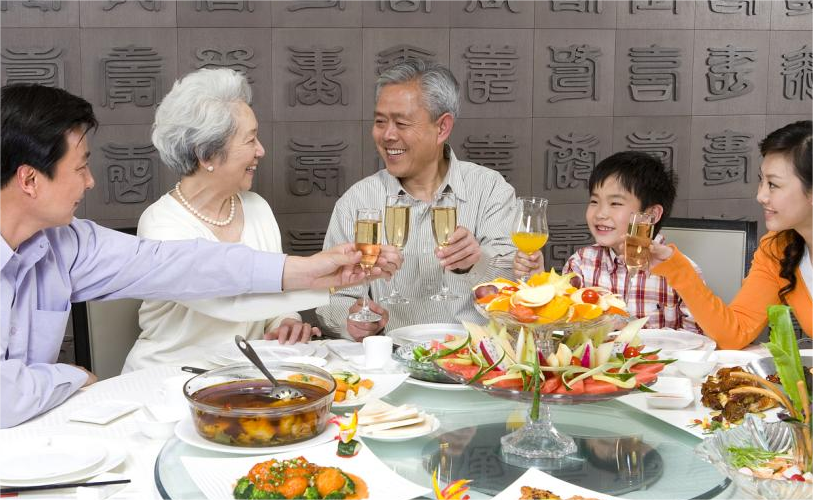

Chinese people place huge emphasis on family and blood relationships. There is an ancient Chinese saying, “While his parents are alive, a son should not go far away; if he does, he should let them know where he goes.” Nowadays, however, more and more Chinese people choose to leave their hometowns and parents, and move to other places for better work opportunities. Nevertheless, they will always make an effort to travel back to their hometowns and visit their parents for the tradition of spending family time together during important holidays. As a result, China’s transportation networks are always the busiest around the holidays at the Spring Festival and National Day (October I).
Chinese Names
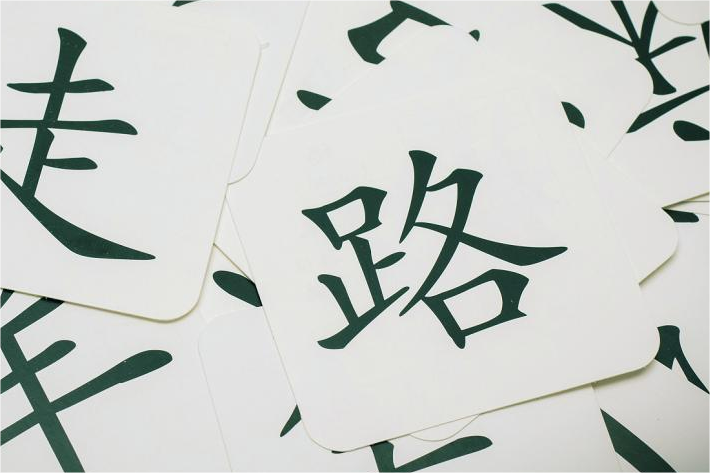

Chinese surnames come first followed by first names. There are two types of Chinese surnames: the one-character (one-syllable) surname and the two-character (two-syllable) surname. There are currently hundreds of commonly-used one-character surnames, of which Li, Wang, Zhang, Liu and Chen are the most widely used; there are dozens of commonly-used two-character surnames, of which Zhuge, Ouyang, Sima, Duanmu and Gongsun are the most common ones. Keats provides a blog about most commonly used Chinese characters for you.
Most Chinese people inherit their fathers ‘surnames and only a few their mothers’. The surnames are a symbol of blood relations. First names are often given to imply certain meanings, usually expressing good wishes of the parents. For example, “富” (fù) and “财” (cái) are given as making a fortune; “贵” (guì) and “禄” (lù) as being successful; “福”(fú) as joy and happiness; “康” (kāng), “健” (jiàn) and “强” (qiáng) as health and strength; “徳”(dé), “贤” (xián) and “淑” (shū) as being virtuous and honorable; and “栋” (dòng), “杰” (jié) and “财” (cái) as competent persons. The precise meaning of names can also vary from generation to generation. If you want to have a Chinese name, learn basic Chinese characters is essential.
Family Structure and Size

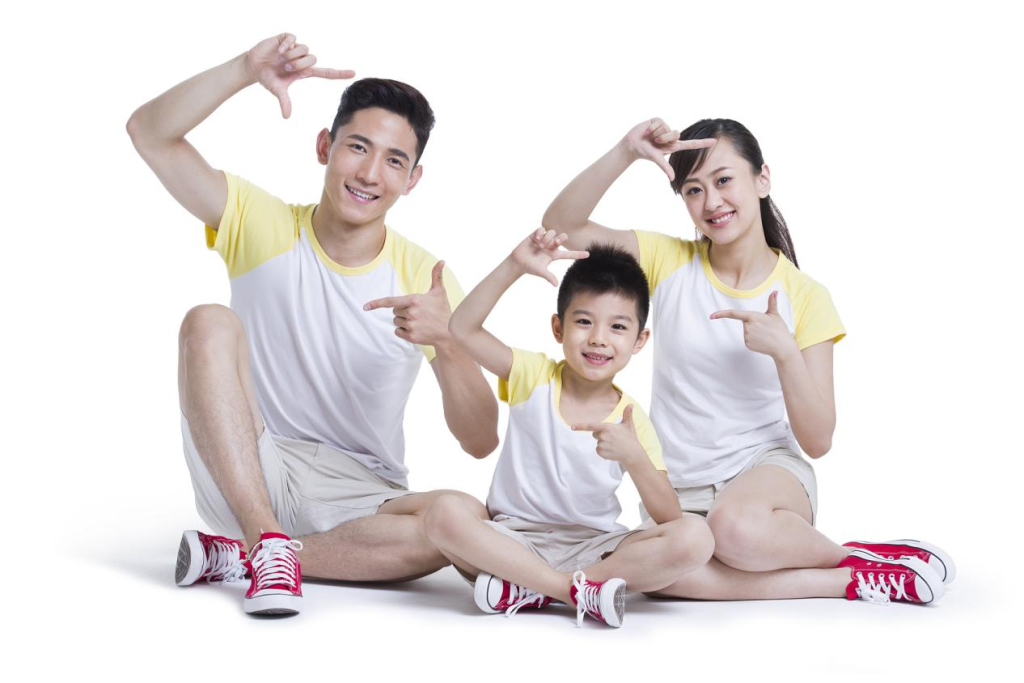
China has a history of thousands of years as an agricultural society. During the long historical process, China’s family structure and size have not changed much. In ancient China, “four (or five) generations under one roof” was always the ideal concept of family life for Chinese people, as it symbolizes the ideal of a large thriving family. Since the founding of the People’s Republic of China in 1949, especially since the implementation of the family planning policy in the late 1970s, the size of Chinese families has generally reduced. At present, two- and three-person households account for about 60% of the total number of families, of which the number of those consisting of only couples is still rising. It is particularly noteworthy that the proportion of single-person households has been skyrocketing in the past decade. According to statistics, single-person households make up 16.69% of the population in 2018, compared with only 6.34% in 1990. Before 1949, the average number of family members per household remained around 5.3 for a long period of time. It dropped to 3.26 in 1990, 3.44 in 2000 and 3.10 in 2010, Whether in rural or urban areas, adult children choose to move out and live by themselves after they get married. Even those who are single spend less and less time in living with their parents due to reasons such as schooling or work. If you want to make friends with Chinese people, you can get familiar with their family members.
Women and Families

Chinese women began to seek employment outside the home only after the founding of the People’s Republic of China, and it has now become the norm for women to go to work. As a result, the socioeconomic status of Chinese women has greatly improved. According to Chinese law, husband and wife share equal rights and obligations in the family and their housework is generally shared by the couple. However, under the influence of the historically male-dominated Chinese society, especially due to the idea of “male breadwinner and female homemaker”, women still take on significantly more responsibilities in housework and looking after young children. In terms of housework sharing, it is common that women are more responsible for cooking, laundries, taking care of children, house-cleaning, etc. Chinese women can make delicious Chinese dishes for their families.
Men are more likely to do work requiring higher physical strength. In terms of decision-making on major family issues, men are more likely to be the decision-makers than women.If you learn Chinese in China, you can learn more about some sexual discrimination in China.
Family Planning and Universal Two-Child Policy
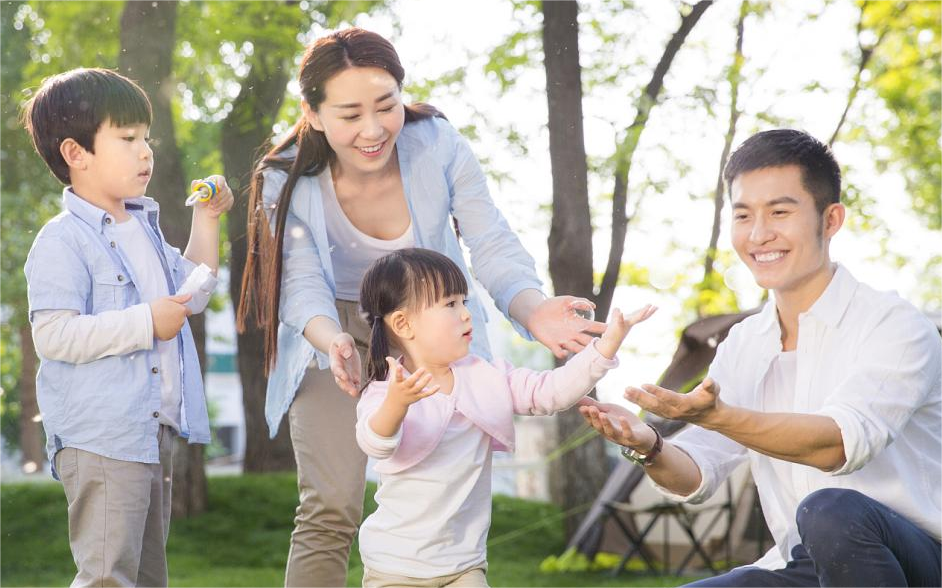

In terms of the quality in child care, the only children generally enjoyed more attention and care from family, and had a better material standard of living and access to more education opportunities. However, they lacked companionship from other children as well as a family environment that fostered the spirit of cooperation. In addition, it also caused some social problems, such as the acceleration of the trend towards an aging society.
On December 28, 2013, the government launched a policy, allowing for couples where either the husband or wife is an only child to have two children. In an effort to improve its population strategy further, China launched the “universal two-child policy” on January 1, 2016, which allows all couples to have two children, officially bringing an end to the policy of family planning which has been carried out for over 30 years.
Marriage Divorce and Cohabitation

The current legal age for marriage in China is 22 for men and 20 for women. In fact, however, most Chinese people, especially urban residents, get married at an increasingly older age. A survey of ten major cities in China showed that the average age of marriage for Chinese was 26 years old in 2015.
The divorce rate in China used to be very low, but this has changed rapidly in the last twenty to thirty years, especially in some of the big cities. According to statistics, 105,800 couples registered a divorce in Beijing in 2016, and that figure was 82,600 in Shanghai in the same year.
Cohabitation and premarital sex are also gradually increasing. A survey of Beijing Normal University students and graduates’ sexual behavior conducted in 2018 found that 81.04% of those surveyed chose “accept” when answering the question “Do you accept sexual behavior during your college years?” And that figure of the same survey in 2016 and 2017 was 74.31% and 79.00% respectively, which shows a rising trend year by year. When answering the question “Have you had sex before?” 46.84% respondents chose “yes”. This suggests that young people today hold a more open attitude to premarital sex.
The Marriage System in Ancient China
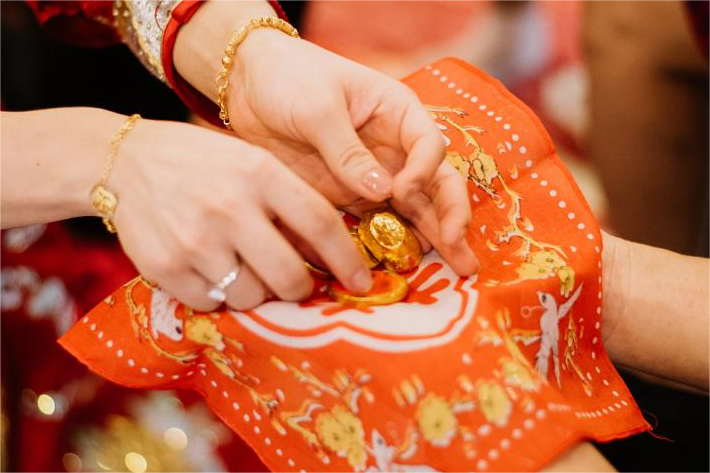
In ancient China, a couple didn’t need to register their marriage With government officials. A permission from their parents and a traditional wedding ceremony with three bows (bow to the Heaven and Earth, to their parents and to each other) would make them husband and wife.
Related Articles


Travel in Yunnan – Everything You Need to Know


A Complete Guide to the Jingmai Tea Mountain

Clothing and Adornment


Which Chinese Language Program
is right for you?
OVER 7000+ STUDENTS
HAVE STUDIED AT KEATS
So during my first week at Keats, I didn’t dare to speak any Chinese words. I found out that my Chinese level quickly improved since then. Although I have many options to study in China, for example, some other schools have homestay, I found I could immerse myself and fully focus on learning Chinese by staying at Keats.
I really enjoy studying Chinese in Kunming at Keats. The teachers are great and my classmates are awesome. It is an unforgettable experience for me. I also got the chance to travel to other places in Yunnan. Those places are amazing and you definitely need to visit these places when you study Chinese in China at Keats.
All my classmates stay together for one year and we improved so much! The teachers at Keats are all very great. They like to organize a lot of activities to help us learn Chinese. I like Keats! I like Kunming!
I found Keats School and I am so glad that I did. When you learn Chinese in China at Keats, you are fully being taken care of. My teacher is really great and we become lovely friends.
This is my second time coming. Last year, I also came for about 12 weeks. This time I came for 13 weeks of a summer program in China. The reason why I particularly want to come to this school was because of the one-on-one classes. I was able to increase my level and learn Chinese more quickly than in group classes. If I have a chance again to come next year, I certainly will.
I’ve had an amazing time at Keats. I am amazed at how much I’ve learned over the last 3 weeks and I will be really sad to go. We are already planning on our next trip of coming back because we had such a fantastic time here. They really tailor the Chinese language course to you and your individual needs.
In the one-to-one intensive Chinese course, you can choose the learning method you like. The small group Chinese class in China at Keats follows the HSK textbook. Teachers often collect feedback from the students, teachers listen to our requirements and opinions. I felt that my oral level is better than before .
Kunming is a fantastic city. The weather here is great. The school is excellent. The instructors are very helpful, very friendly. I strongly recommend that anybody who is looking for a Chinese language school in China come here to study. Kunming and Keats school are much better than any other place.